Git Worktrees for AI Coding Agents
Since ~ May 2025, there's been a ton of buzz around AI coding agents, parallelizing workflows, and it's not stopping any time soon. On this episode we'll go deep on the tech that can help you push the limits of these tools, including: - Crash course on Git Worktrees - File and Spec Management, tradeoffs in hardlinks vs symlinks - tmux as a building block for collaborative agent workflows
Project details
Open in GitHubGit Worktrees for AI Coding Agents
Since ~ May 2025, there's been a ton of buzz around AI coding agents, parallelizing workflows, and it's not stopping any time soon. On this episode we'll go deep on the tech that can help you push the limits of these tools.
Topics Covered
- Crash course on Git Worktrees
- File and Spec Management, in-tree vs out of tree
- tmux as a building block for collaborative agent workflows
Links
- git objects database - https://git-scm.com/book/en/v2/Git-Internals-Git-Objects
- git worktree command docs - https://git-scm.com/docs/git-worktree
- multiclaude project - https://github.com/dexhorthy/multiclaude
- vibe-kanban - https://www.vibekanban.com/
- conductor - https://conductor.build/
Resources
- Discord Community
- Sign up for the next session on Luma
Whiteboards
Example Coding workflow
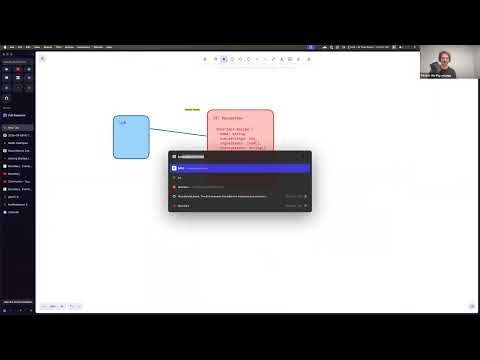
This diagram shows how you can use multiple agents, each working in their own git worktree to brainstorm multiple solutions.
First use an AI agent to help you research the problem and generate relevant specs, then create a feature branch and kick off multiple agents.
The key is that you then use your own judgement or another coding agent to synthesize the best answers and perform the update in your feature branch.